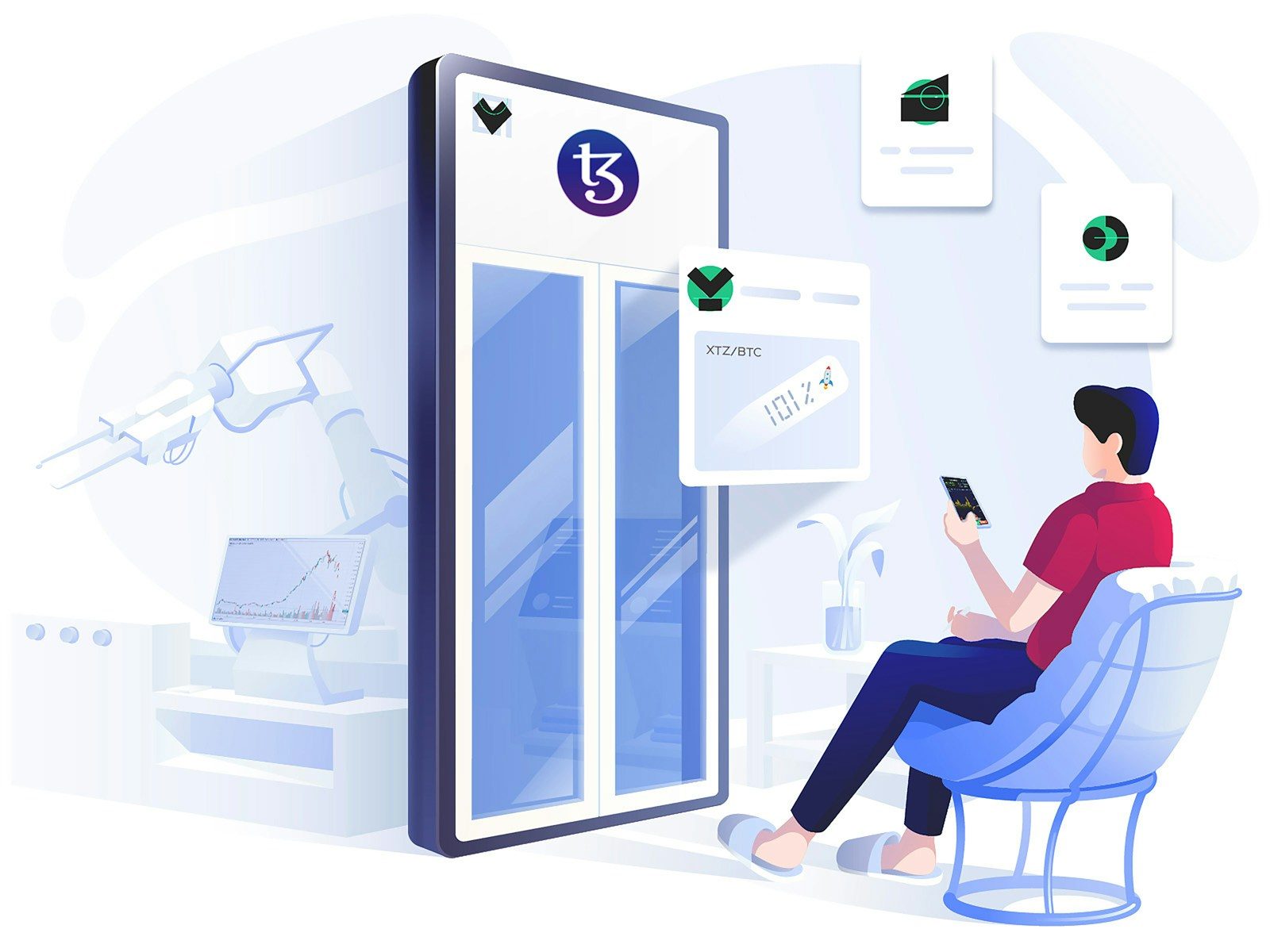
protocol token migration checklist helps turn a rebrand, contract swap, or ticker change into a structured review instead of a headline trade. Migrations can be healthy protocol maintenance, but they can also create deposit mistakes, snapshot confusion, stale contract references, and temporary liquidity gaps. The risk is operational before it is directional.
A good migration note answers four questions: what changes, when balances are captured, where old tokens stop being supported, and how the new asset becomes tradable. If any of those answers are vague, the event belongs on a watchlist, not in an automatic conviction bucket.
Verify the source chain
Start with the project announcement, then compare exchange notices. The project should explain why the migration exists. Exchanges should explain how they will support balances, deposits, withdrawals, and trading pairs. When those documents disagree on timing, use the most restrictive operational window.
Ticker changes are especially easy to misread. A token can keep economic continuity while changing symbol, contract, network, or exchange support. Treat each field separately. Same ratio does not always mean same liquidity, same contract risk, or same wallet process.
Snapshot timing decides user risk
The snapshot is the line where balances become eligible. Deposits pending during the snapshot may be excluded. Withdrawals started too late may land in a dead window. Exchange accounts, self-custody wallets, staking contracts, and liquidity pools may all have different handling.
For protocol research, this reveals communication quality. A strong migration gives users enough time to act and explains edge cases plainly. A weak migration leaves users guessing about pending deposits, LP positions, bridges, and unsupported networks.
Watch liquidity after support returns
When the new ticker opens, liquidity may not return evenly. Some venues resume deposits first, some open trading first, and some wait on withdrawals. That sequence can create temporary price gaps that look like discovery but are really route friction.
Radar readers should track which venues support the new token, whether market makers return, and whether old-token references disappear from wallets and explorers. A clean migration reduces confusion quickly. A messy one creates multiple unofficial prices and support questions.
Use migration quality as a protocol signal
The migration itself is not bullish or bearish by default. The quality of execution is the signal. Clear docs, consistent exchange timelines, verified contracts, and fast post-event updates improve confidence. Missing details, repeated deadline changes, or vague support language should lower the research score.
A protocol token migration checklist keeps the focus on operations. Before judging the narrative, confirm the snapshot, the ticker, the contract, the supported venues, and the user action required. Then decide whether the protocol handled the change well enough to deserve more attention.
Continue this cluster
Protocol migration ops works best when it stays connected to nearby decisions instead of becoming a one-off checklist. Continue with these related reads from the same cluster.