The primary keyword for this guide is RWA tokenization studio checklist. RWA Tokenization Studio Checklist Before Issuer Launches is evergreen because the same decision repeats whenever a user has to act before every rule, route or live state is fully obvious.
An RWA tokenization studio checklist helps protocol researchers decide whether an issuer tool is ready for real assets or only a polished demo.
Define the decision before the screen moves
Use RWA tokenization studio checklist before trusting a new launch. The key decision is whether asset setup, compliance, cap-table tracking, investor onboarding and secondary-transfer controls are visible.
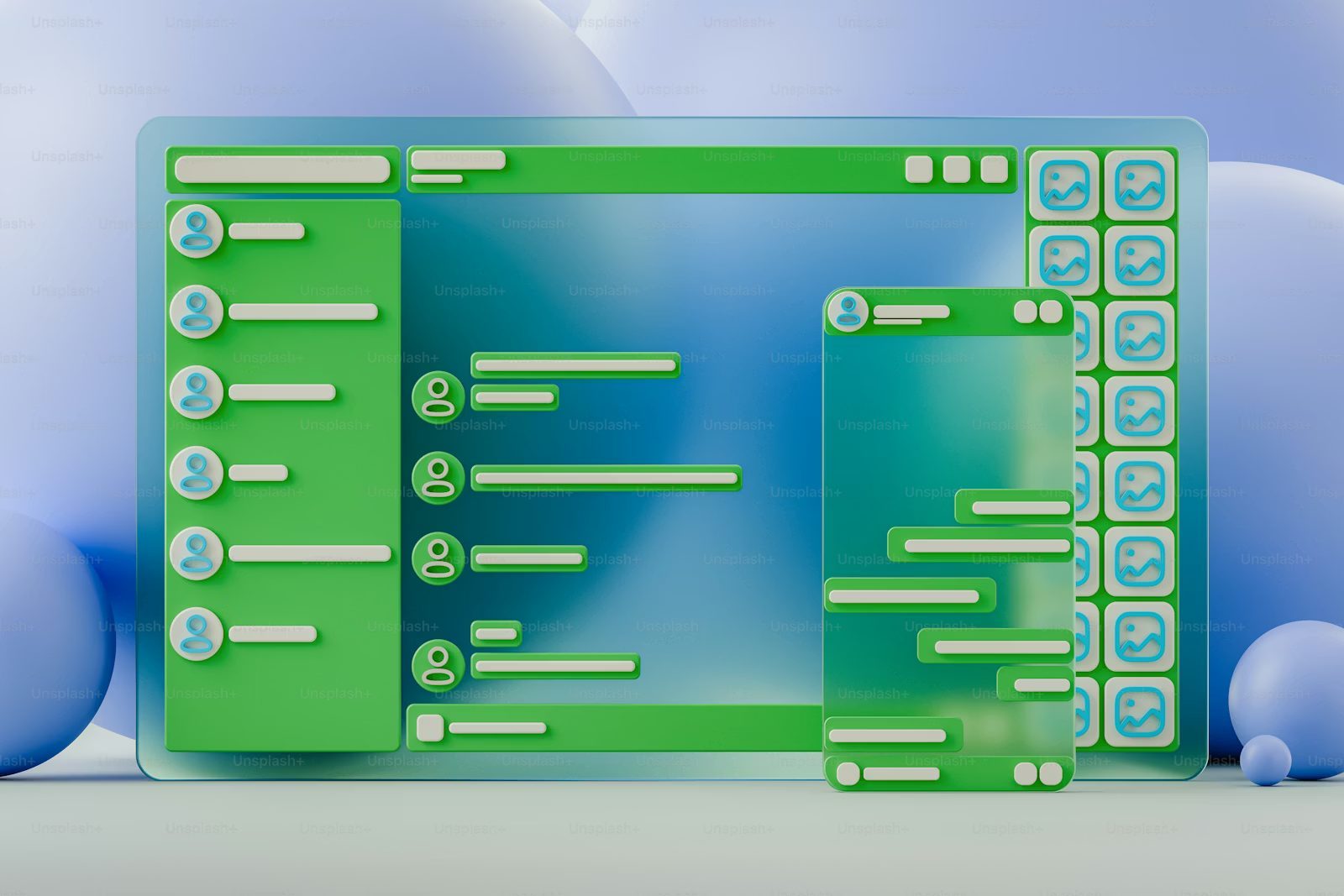
A studio can reduce launch friction, but it can also hide legal, custody and reporting gaps behind a clean interface.
Build the checklist around failure points
Before covering or using an RWA studio, map the operations that support an asset after issuance.
- Issuer identity and legal entity flow.
- Investor KYC or accreditation gates.
- Asset documentation and disclosure storage.
- Transfer restrictions, jurisdiction controls and redemption paths.
- Cap-table updates and event reporting after trades or transfers.
The launch is credible only when the studio explains what happens after the token is created.
Separate confirmation from comfort
Confirmation comes from live issuer flows, test assets and published terms. A product screenshot is not enough if compliance and redemption steps are opaque.
Also check whether the studio supports multiple chains without weakening transfer controls.
Common mistakes to avoid
The common mistake is treating token creation as the hard part. For RWAs, ongoing administration can matter more than minting.
Another mistake is ignoring investor recovery. If an investor loses access, fails KYC or needs redemption, the studio should have a process.
A cleaner operating rule
The cleaner rule is to treat RWA studios as operations products, not just launch tools.
That keeps Radar focused on protocol usability, issuer readiness and real asset controls.
How to record the decision
Put RWA tokenization studio checklist into a short decision log before the session starts. The log needs one line for the trigger, one line for the evidence that confirms it, one line for the evidence that cancels it, and one line for the action you will take when the check fails.
Review the process before the result. A disciplined pass can miss a winner and still be correct. A sloppy entry can win and still warn you that the framework is not protecting the next decision.
Over time, keep checks that stop repeated mistakes and remove checks that never change behavior. A good checklist is short enough to use under pressure but specific enough to catch the risk that matters.
Use it across real sessions
Treat RWA tokenization studio checklist as a pre-action filter, not as a note you add after the outcome is known. The point is to make the weak spot visible while there is still time to reduce size, wait, reroute or pass.
For ecosystem work, the practical value is consistency. Use the same wording each time so the log can show whether the check is actually changing decisions or simply making the process look more complete.
After several sessions, sort decisions by the exact failure point that RWA tokenization studio checklist caught. If the same risk keeps appearing, move that line closer to the top of the checklist and make it faster to verify.
When to pass
Pass when the missing detail is the detail that carries the risk. Waiting is not wasted effort when the alternative is a ticket, transfer, order or wallet action that only works if an unchecked assumption is true.
Also pass when the only reason to continue is that the screen looks attractive. The rule should survive a calm review after the session, not only feel comfortable in the moment under pressure.
When a pass repeats, keep the reason attached to the same keyword rather than rewriting the framework each time. That makes the guide easier to compare across future sessions and reduces the chance that a new label hides the same old risk.
The evergreen value of RWA tokenization studio checklist comes from this repetition. The exact market, exchange, wallet or game state will change, but the control question stays stable enough to reuse before any similar action.
Continue this cluster
Continue this cluster with RWA launch checks that judge ecosystems by issuer operations, compliance flows and user recoverability.