Content Engine
Why Radar ships both short blocks and long-form guides
Short blocks answer quick questions on key pages. Long-form posts give each major discovery concept a fuller explanation and a clearer research trail.
Back to overviewModern dapp discovery around new launches, trending protocols, filtered opportunities, and a research blog that adds context to the Radar surface.
Blog
A SQLite-backed editorial layer with evergreen discovery guides plus automatically refreshed Radar digests that keep the research surface active and useful.
Content Engine
Short blocks answer quick questions on key pages. Long-form posts give each major discovery concept a fuller explanation and a clearer research trail.
Back to overviewPublishing Cadence
Evergreen guides cover due diligence and comparison frameworks. Automated posts add a fresh layer around current trending protocols like Target Zone, Pulse Lock, Ample.
See trending
A permit approval should be checked for spender, token, amount and expiry before a wallet signs it.

A sequencer delay should be evaluated against the chain's documented force-inclusion and withdrawal route.

A governance result depends on the snapshot and quorum denominator used by the deployed voting module.

A fork announcement becomes an operational task only when client versions, testnet timing and rollback evidence are checked.
An authorization should be read as a bounded tuple of chain, contract, nonce and signature fields rather than as a generic wallet approval.
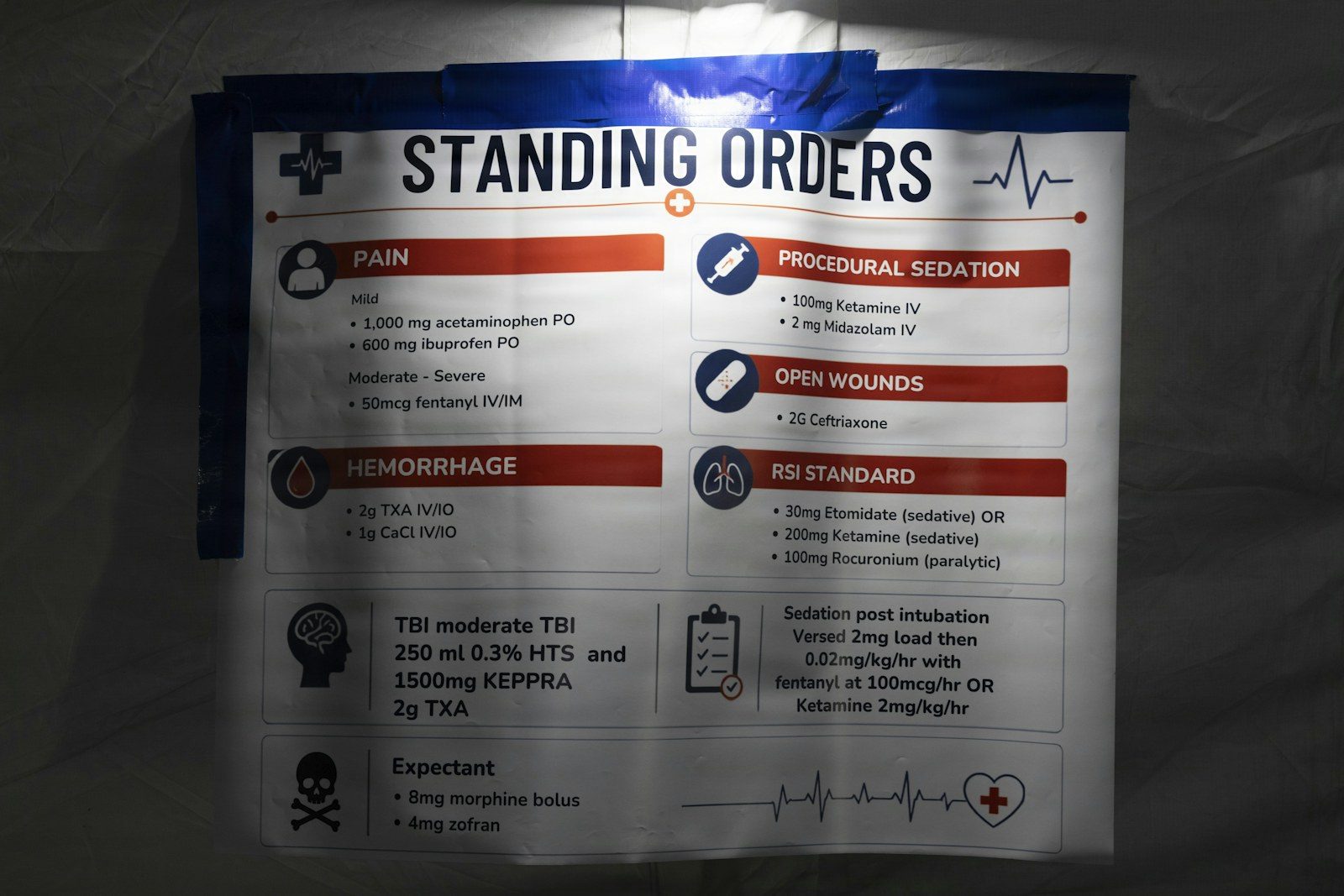
An incident timeline should separate official status changes, on-chain evidence and later commentary before a protocol is judged.
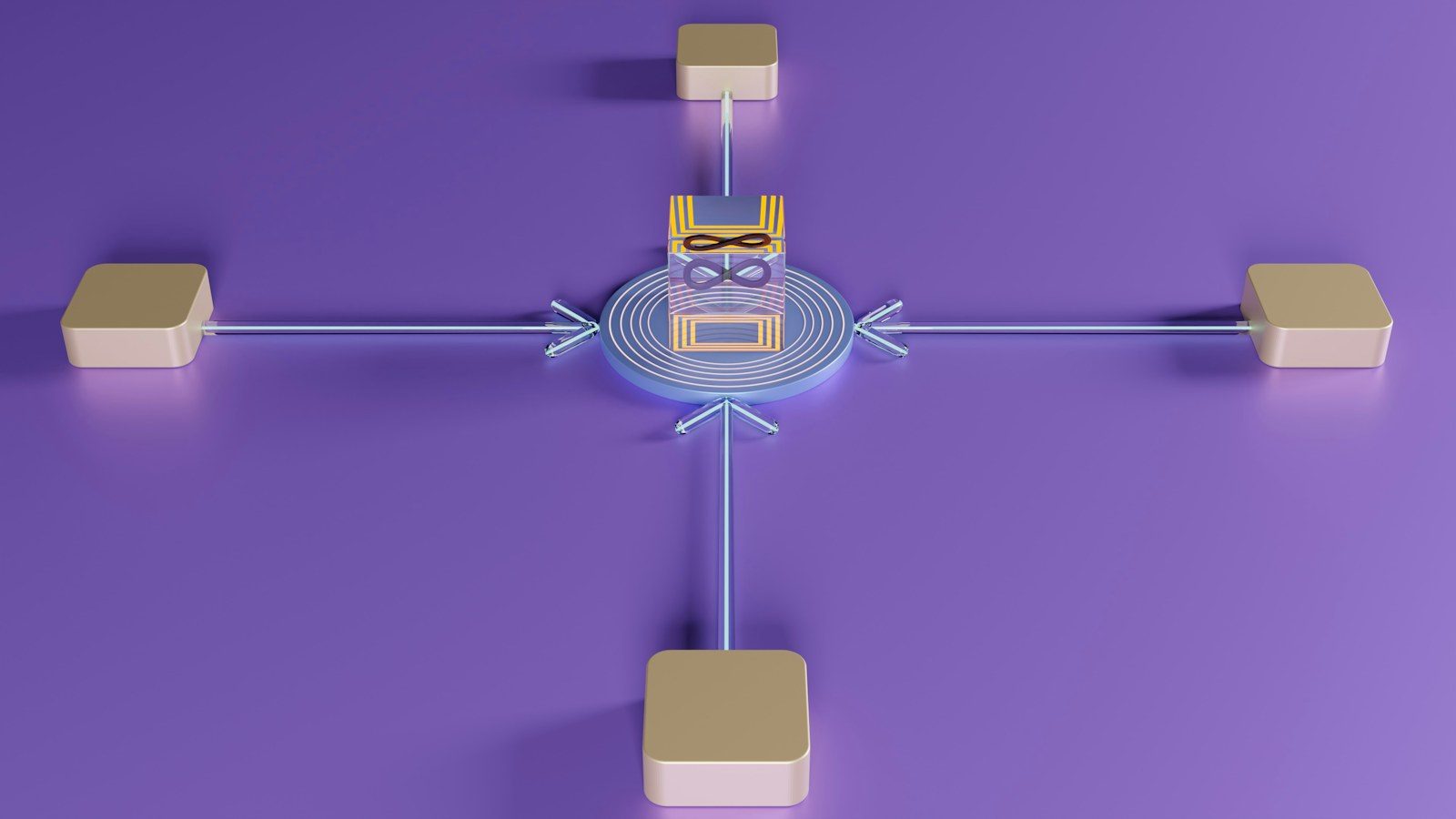
Validator readiness depends on observable peer connectivity and a topology that separates public exposure from signing infrastructure.

A successful multicall transaction does not prove that each returned value was decoded against the intended contract and ABI.

A rollup observation should distinguish blob publication, retention assumptions and the data needed for later verification.