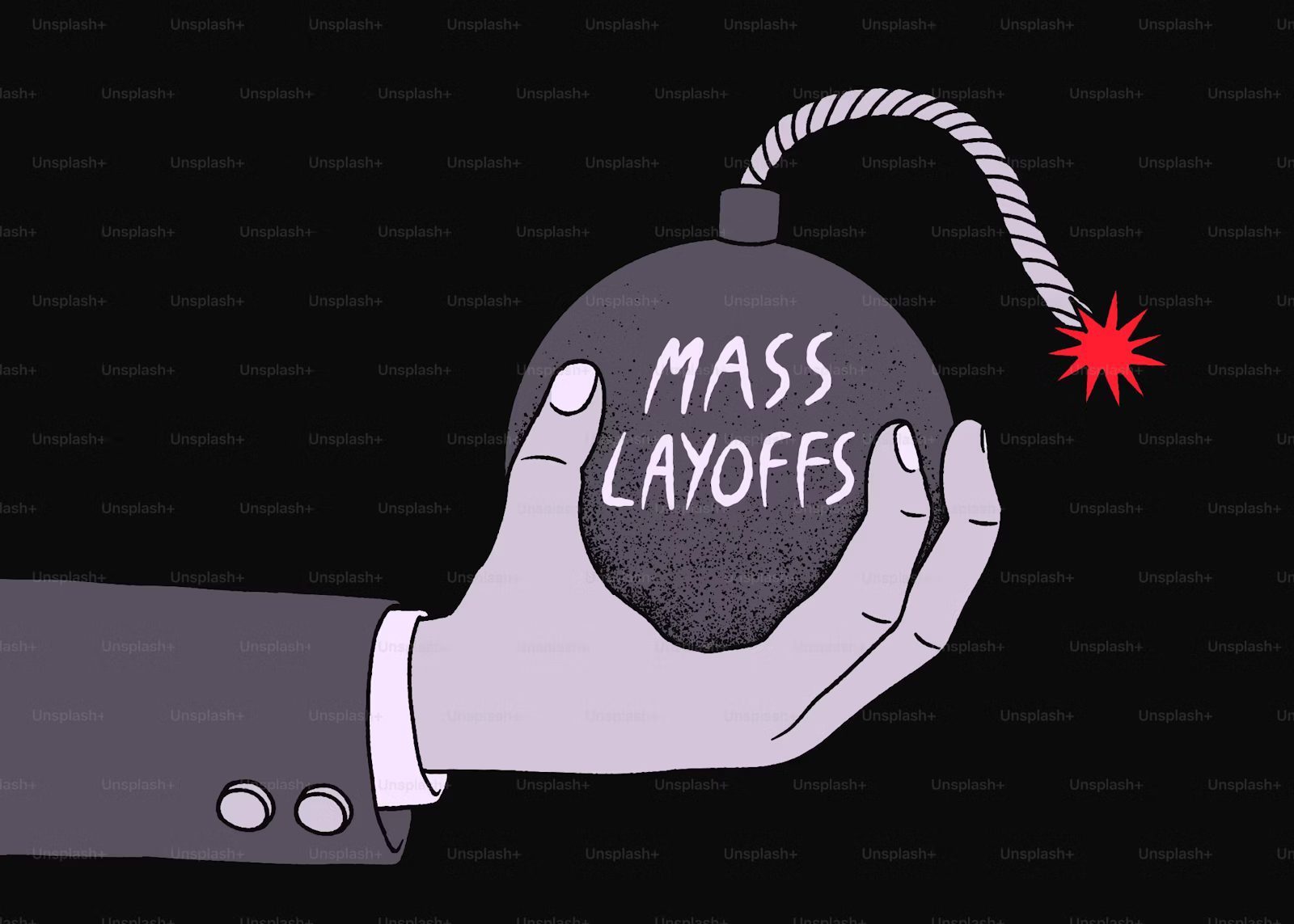
Aave Babylon Bitcoin Spoke is the primary keyword for this Radar update. Aave Labs posted a May 13 Temp Check seeking DAO approval to advance a Babylon-powered native BTC borrowing Spoke in Aave V4.
Radar is covering it as protocol discovery because the proposal would explore native BTC collateral without relying on wrapped BTC or centralized custody.
What Happened
The Temp Check says Babylon would support a dedicated Bitcoin Spoke in Aave V4, allowing users to use native BTC as collateral. It frames the Spoke as a way to isolate native BTC collateral design while connecting borrowing demand to Aave liquidity under governance-defined risk controls.
The proposal does not approve final risk parameters, caps, oracle configuration, liquidation mechanics or deployment payloads. It asks to continue onboarding work, request technical assessments and prepare a follow-up ARFC if DAO feedback is positive.
Why It Matters
The item matters because native BTC collateral is one of the largest unresolved DeFi design spaces. If Aave V4 can support a dedicated Bitcoin Spoke with clear accounting and liquidation paths, it could expand borrowing demand without treating wrapped BTC as the only route.
The Radar angle is not token price. It is whether the Hub-and-Spoke model can contain the operational, oracle and liquidation risk that native BTC collateral introduces. The Temp Check stage is useful precisely because it exposes those questions before caps, payloads or production permissions are locked by governance.
What To Watch Next
Watch for technical and risk assessments covering Babylon vault architecture, collateral accounting, liquidation flow, oracle requirements and operational permissions. The follow-up ARFC should include launch parameters before any AIP stage.
Researchers should also watch how the Spoke would fail safely. Native BTC collateral needs clear pause, exit and accounting behavior before it becomes a production market.
Continue this cluster
Continue this cluster with protocol, governance and chain-ops updates that show how live ecosystems change after launches, votes and maintenance actions.