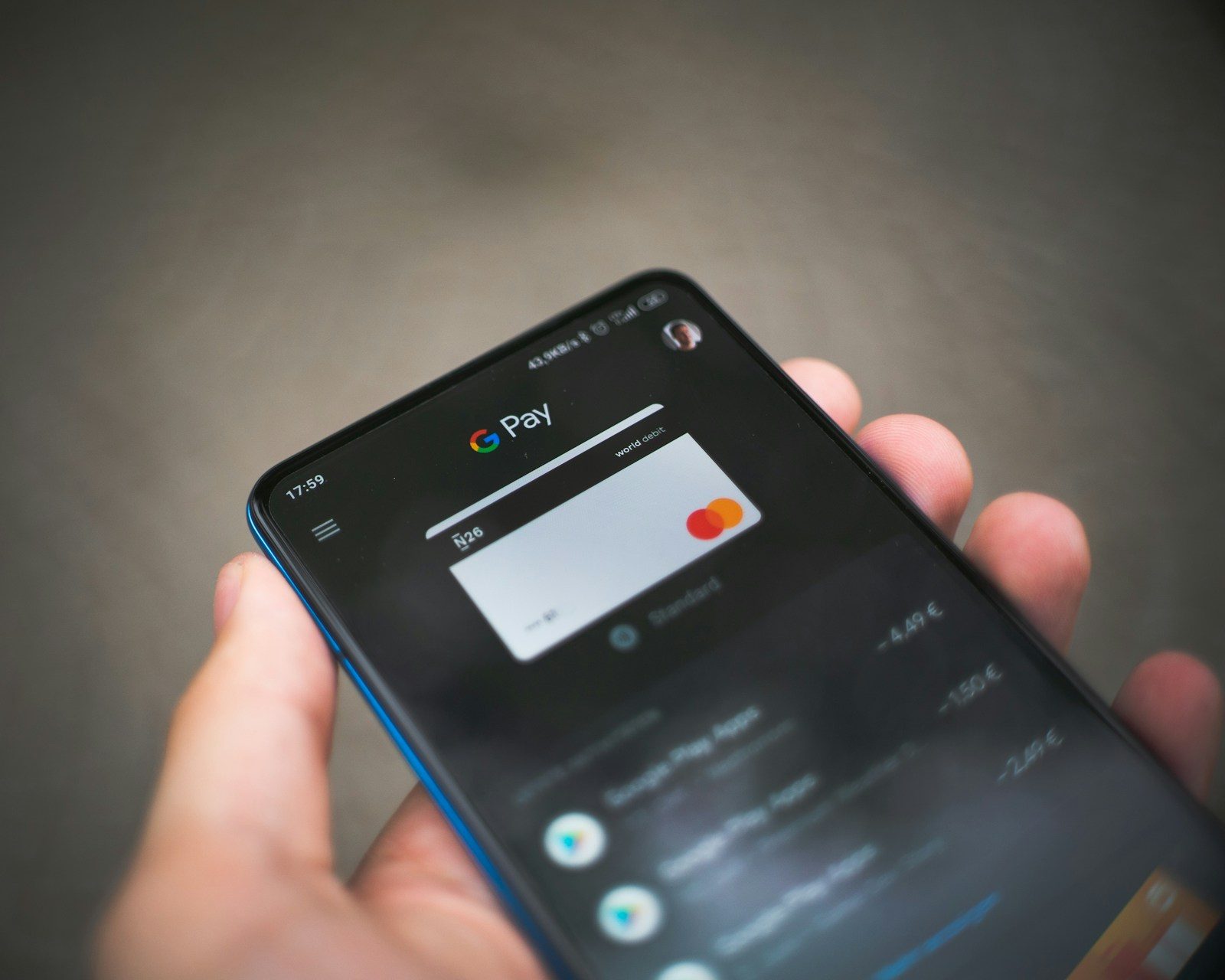
Solana stablecoin rails to watch is a durable search problem because it shows up whenever a bettor, trader, or researcher has to turn raw information into a cleaner decision. This guide keeps the focus narrow: define the signal, compare the right alternatives, and decide when the setup is strong enough to act on without adding noise.
Quick Answer
Watch Solana stablecoin rails by comparing mint and redeem access, settlement partners, transfer frequency and whether users return after launch incentives.
Why This Intent Matters
Stablecoin infrastructure can look active because volume is easy to move. Discovery work needs to identify whether the rail solves real payment or treasury problems.
The mistake is usually treating a headline as the whole answer. A strong process asks what changed, which market or protocol surface is affected, and whether the evidence is broad enough to support the next decision. That keeps the article useful long after a specific match, candle, or campaign has passed.
Decision Framework
- Check who can mint, redeem and settle through the rail.
- Compare repeat transfers with one-off campaign volume.
- Look for bank, wallet and merchant distribution.
- Track whether fees and latency improve the user workflow.
A rail is only as useful as the routes around it. Strong protocol discovery includes offchain access and onchain depth.
Signals That Deserve More Weight
More weight belongs to rails that show recurring settlement, named partners and clear custody or redemption terms.
Controls That Prevent Overreach
Do not overrate a volume spike without knowing who moved the funds and whether the transfer path is open to normal users.
Good controls make the final answer smaller, not slower. They remove the assumptions that are easiest to miss: weak liquidity, rule friction, stale team news, crowded positioning, shallow integrations, or a data point that looks important only because it is recent.
Practical Workflow
Create a watchlist with rail, chain, issuer, access method, volume quality and next proof point. Promote only rails with repeat demand.
When To Skip
Skip protocols that describe payment scale but do not publish access, redemption or partner detail.
Review Loop
Review stablecoin rails after each integration. The key question is whether access became easier or only the announcement count grew.
Record the starting assumption, the evidence used, and the result you expected before outcome bias gets a vote. Over several decisions, the review will show whether the framework is producing repeatable value or only explaining outcomes after the fact.
Discovery Application
Use this guide by turning the protocol or category into a watchlist decision. A project should move from monitor to shortlist only when the evidence improves across usage, risk disclosure and distribution. One strong metric can justify watching more closely, but it should not hide weak custody, unclear permissions, shallow liquidity or campaign-only traffic.
Evidence Weighting
Give the most weight to repeat users, transparent contracts, clear exit paths, credible integrations and data that remains visible after incentives cool. Give medium weight to funding, launches and partnerships when they create measurable follow-up. Give low weight to vague roadmap language, TVL spikes with no user detail and screenshots that cannot be checked onchain.
Final Checklist
- What changed enough to deserve attention?
- Which risk remains unresolved?
- What metric would prove real adoption?
- When should the protocol be reviewed again?
This keeps Solana Stablecoin Rails to Watch with Settlement Depth and Bank Access anchored in research instead of launch noise.
How To Use It In Research
Turn the guide into a watchlist note with a status, next proof point and review date. Monitor-only means the protocol has a reason to watch but not enough evidence. Shortlist means the evidence is strong enough for recurring review. Reject means the missing risk disclosure, weak usage or unclear exit path is too important to ignore. This classification keeps discovery work from drifting with every launch cycle.
Refresh the guide only when the category evidence changes: a new chain standard, a meaningful integration, better risk disclosure, real repeat usage or a failure that changes what researchers should verify. A new announcement can support the cluster, but the method should change only when the research question changes.
Update Criteria
Update this guide only when the decision process changes in a material way: a new rule, a new data source, a new market structure, a new protocol risk, or a repeated review finding that makes one checklist item more important than before. That keeps the page evergreen while still leaving room for meaningful improvements.
Continue this cluster
Stay inside the Solana stablecoin rail discovery cluster: