Stablecoin rail integrations is the core intent for this guide. The goal is to turn a broad search into a repeatable decision process that can survive imperfect data, late changes, and noisy market screens.
This guide stays on CryptoSigy Radar because the reader is comparing protocols, chains, integrations, and discovery signals before committing deeper research time. The framework is evergreen, but it is written for real decisions rather than classroom theory.
Quick Answer
A stablecoin rail integration deserves attention when it lowers real transfer friction and attracts repeat use. It deserves less weight when it is only a logo partnership with no volume, apps, or settlement workflow behind it.
How To Read The Setup
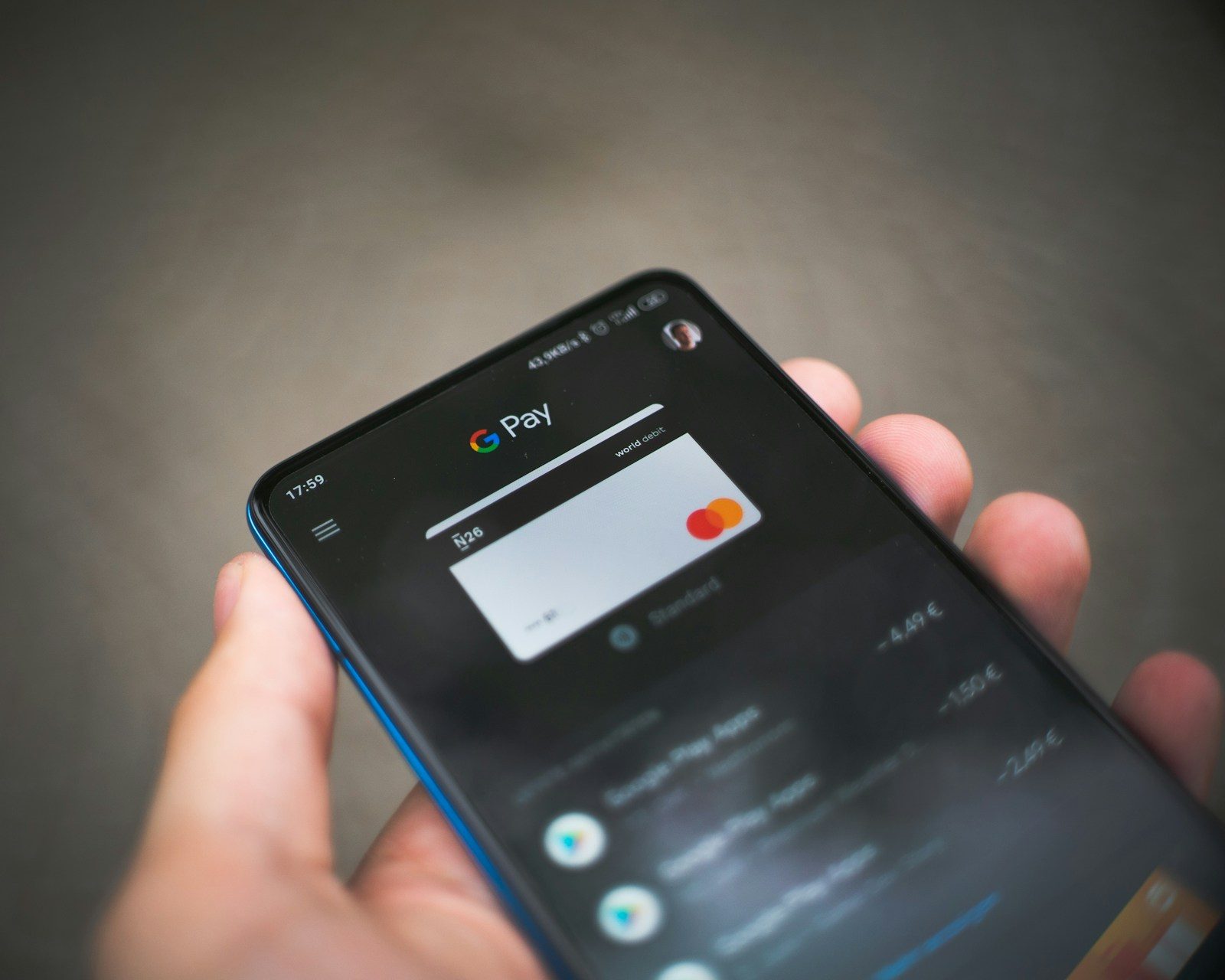
Stablecoin rails are becoming one of the clearest ways to compare chains. Payments, remittances, treasury movement, and onchain FX all need reliable dollar liquidity. But integration announcements vary widely in depth.
Radar readers should track whether a rail changes user behavior. A native stablecoin, bridge integration, or bank partnership is more useful when it creates measurable movement through apps and protocols.
Build The Baseline First
Before acting on Stablecoin rail integrations, write down the baseline assumption in one sentence: what has to be true for this angle to pay, what price would be fair, and which piece of information would make the idea invalid. That discipline matters because the screen will often show a tempting number before you have separated signal from noise.
A useful baseline has three parts. The first is the event view, such as pace, liquidity, lineup shape, protocol quality, or execution friction. The second is the price or risk threshold where the idea stops being attractive. The third is the review note you will use later to decide whether the process was good even if the outcome was noisy.
When The Angle Is Strong
- The integration supports native issuance or burn-and-mint movement.
- Apps and wallets adopt the rail quickly.
- Volume appears across payments, DeFi, and treasury use cases.
- Fees, finality, and developer documentation are clear.
When To Downgrade Or Pass
- The announcement names partners but not supported workflows.
- Liquidity remains fragmented across wrapped versions.
- Users still need manual routing and extra gas assets.
- Volume spikes once and then disappears.
Scoring The Decision
Treat the strongest evidence as a checklist rather than a story. In this setup, the best confirmations are: The integration supports native issuance or burn-and-mint movement.; Apps and wallets adopt the rail quickly.; and Volume appears across payments, DeFi, and treasury use cases.. If only one of those is present, the idea may still be interesting, but it should usually move down in stake size, urgency, or research priority.
The downgrade signals deserve the same respect. Watch especially for: The announcement names partners but not supported workflows.; Liquidity remains fragmented across wrapped versions.; and Users still need manual routing and extra gas assets.. A weak signal does not automatically kill the idea, but it forces a cleaner price, smaller size, or a deliberate pass. This is how the framework avoids becoming a justification machine.
Practical Checklist
- Identify whether the stablecoin is native, bridged, or synthetic.
- Check supported chains, apps, and wallets.
- Track transfer volume after launch.
- Compare fees and finality against competing rails.
- Watch whether developers build around the integration.
Run the checklist in the same order each time. Changing the order after you already like an idea creates hidden bias: you start looking for evidence that lets the bet, trade, or protocol pass. A repeatable order makes the result easier to audit and gives you a sharper memory of where your edge usually breaks.
Common Mistakes
- Treating every stablecoin announcement as equal.
- Ignoring liquidity fragmentation.
- Missing whether users need a separate gas token.
- Ranking chains by partner logos instead of repeat settlement activity.
Most mistakes in this topic come from collapsing two different questions into one. The first question is whether the angle is directionally right. The second is whether the available price, execution route, or research burden leaves enough reward after costs. Good decisions require both; a correct read can still be a poor action when the terms are wrong.
Decision Loop
- Classify the rail type and trust assumptions.
- Track early wallet and app adoption.
- Compare volume with competing chain rails.
- Upgrade the ecosystem only if repeat use appears.
- Keep watching if the integration solves a real user workflow.
How To Review It Later
After the event, review the decision without rewriting the original context. Note the entry price or starting assumption, the information that was available at the time, and whether the closing evidence moved with or against the thesis. The goal is not to prove every result was deserved. The goal is to see whether Stablecoin rail integrations led to a decision that was clear before the outcome arrived.
Keep the review short enough that you will actually do it. One line for the thesis, one line for the decisive confirmation, and one line for the main risk is enough for most cases. Over time, those notes show which clusters deserve more attention and which angles only looked convincing in isolated examples.
Stablecoin rails are strong discovery signals when they move from announcement to repeat settlement. That is the line Radar should track.